
 Connect

Case study
Lower carbon aviation fuels



The aviation fuel market is entering a new phase of competition, and it will not be defined by supply alone. For decades, fuel suppliers competed on a simple formula: deliver a compliant product, at scale, at the right price, and you could expect sustainable market share to follow. This model is now being challenged as lifecycle carbon intensity is moving from the margins to the core of competitiveness faster than many in the industry anticipated. This shift is not just reshaping sustainability strategies, it is beginning to influence procurement decisions, margin structures and long-term positioning. For producers and refiners, that changes the basis of differentiation and potentially the economics of the market itself.
What started as a focus on Sustainable Aviation Fuel (SAF) is rapidly evolving into something broader. Airlines, corporates and regulators are no longer looking at fuel as a uniform product. They are starting to differentiate it based on how it is produced and what it emits across its lifecycle.
This is where Lower Carbon Aviation Fuel (LCAF) becomes strategically important. By reducing emissions across conventional fuel production and supply, within existing infrastructure, LCAF turns lifecycle carbon from a compliance issue into a source of competitive advantage.
SAF alone cannot scale quickly enough to meet near-term demand. Feedstock constraints, cost premiums and blending limits mean it will supply only a fraction of total jet fuel for years to come, and conventional fuel will therefore continue to dominate.
At the same time, airlines have built new capabilities in lifecycle accounting, certification and procurement. These systems allow emissions to be measured, compared and traded in ways that were not previously possible.
The implication is clear. In a market still dominated by conventional jet fuel, the ability to reduce and credibly evidence lifecycle emissions become a primary lever of differentiation.
This is where LCAF matters. It does not change the molecule. It changes the emissions profile through interventions across the value chain, from crude sourcing and methane reduction to refinery efficiency, electrification and carbon capture.

LCAF does not replace SAF. It extends decarbonisation across much larger volumes of fuel using existing systems. In a high-demand sector, even modest reductions at scale can deliver meaningful impact.
This is already reflected in regulation. LCAF has been recognised under the International Civil Aviation Organization’s Carbon Offsetting and Reduction Scheme for International Aviation since 2022, subject to lifecycle thresholds. This provides a foundation as certification and commercial models continue to develop.
A deeper shift is now underway. Carbon intensity is emerging as a market variable in its own right, supported by stronger lifecycle accounting, growing demand for credible Scope 3 reductions and maturing certification and traceability systems. Together, these developments are making emissions performance increasingly visible in commercial decision-making.
Fuel is no longer defined only by price, volume and specification. Its carbon profile is becoming visible, comparable and increasingly valuable.
Airlines are signalling this change. As lifecycle tracking becomes embedded, suppliers will be judged not only on price and reliability, but on their ability to evidence carbon performance. For refiners, that makes emissions management an increasingly important commercial capability, not just an operational consideration.
Delivering credible LCAF is complex. Lifecycle emissions depend on decisions across the value chain, from upstream crude selection to refinery configuration, utilities, logistics and assurance. It requires integrated data, operations and certification.
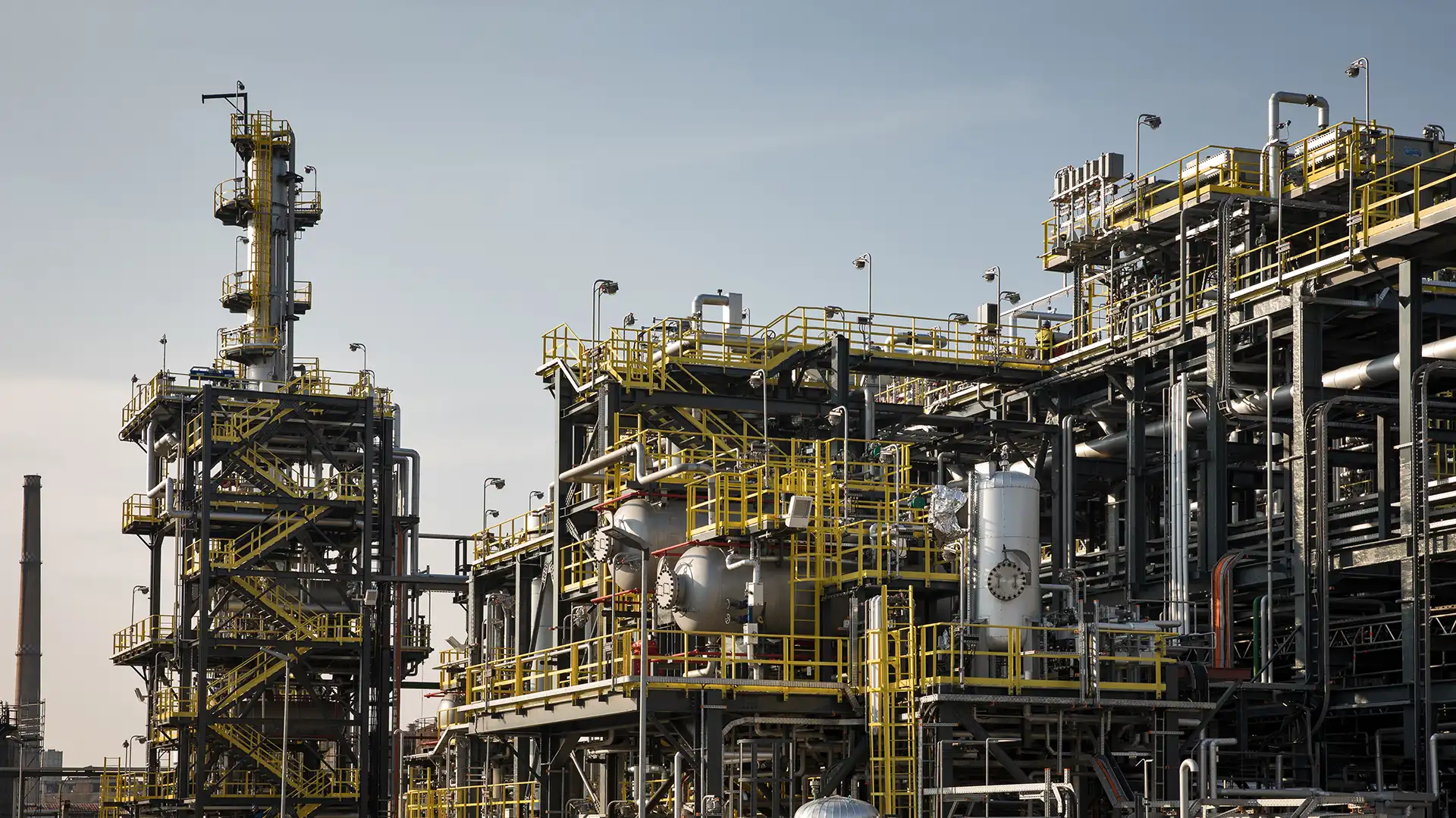
This is not theoretical. To confirm ADNOC Refining’s capability to produce lower-carbon aviation fuel, Wood conducted a full lifecycle assessment of jet fuel production, reviewing more than 25,000 data points against anticipated ICAO CORSIA and ISO 14067 requirements. This level of detail highlights both the opportunity and the barrier to entry.
Challenges remain. Certification pathways are evolving, cost recovery is uncertain, and upstream emissions can significantly affect outcomes. Capital constraints add further pressure.
What is becoming clearer is that the market is not simply moving toward fuel substitution, but toward fuel differentiation. SAF and LCAF are likely to play distinct but complementary roles, with each contributing in different ways and on different timescales to aviation’s decarbonisation transition.
SAF will remain central to long-term aviation decarbonisation, but it does not define the near-term market.
The more immediate shift is toward carbon performance becoming a measurable and valuable attribute of fuel supply. That changes the competitive landscape. Advantage will increasingly depend not just on supplying fuel, but on demonstrating how it was produced, what emissions it carries and how those emissions can be reduced over time.
In this context, LCAF is not an alternative to SAF. It is part of a broader transition toward differentiated fuel markets, where lifecycle performance plays a growing role in commercial outcomes.
Understanding how this shift unfolds requires a clear view of policy, certification, supply chains and market dynamics.