

 Connect
Expertise
Maintenance, turnarounds and construction (MTAC)


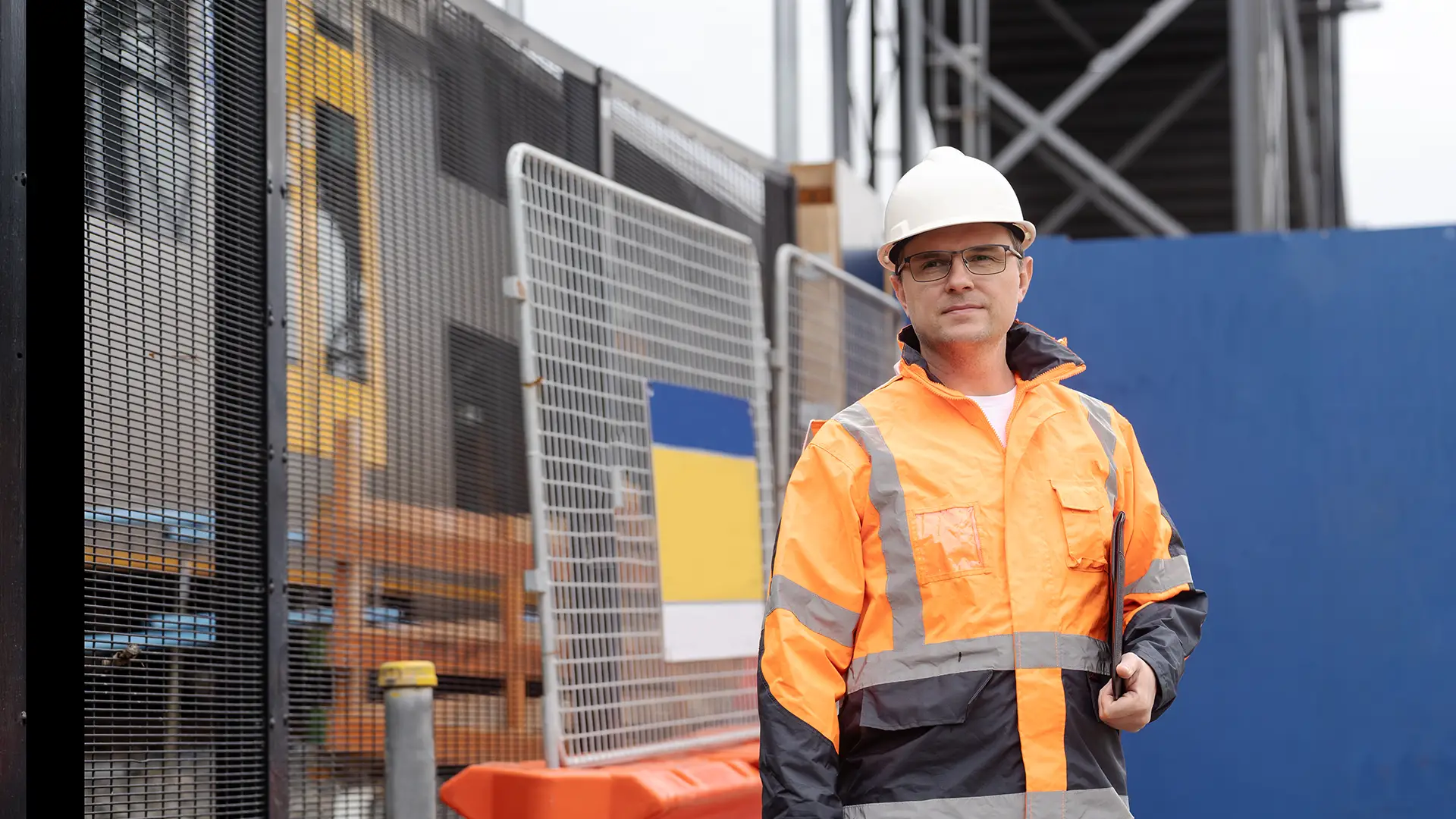
Contract Manager, Jay Purcell, has been involved in planning and executing turnarounds in Queensland for over 10 years - including across Ampol's Lytton refinery. In this article, Jay shares what it takes to ensure turnaround success for our clients.
In turnarounds, success is rarely determined when the outage begins. It is shaped much earlier - in how well the scope is defined, how thoroughly the work is planned and how effectively change is controlled.
After more than a decade supporting safe, reliable turnaround delivery in Queensland, we’ve seen that strong outcomes depend less on reactive problem-solving and more on disciplined preparation from the start.
By the time a turnaround begins, a lot of the outcome is already baked in.
We spend a lot of time early on just making sure we understand the job properly - breaking scope down, challenging assumptions, making sure materials and access have been considered and building estimates that reflect what it will take to get the work done.
Over time, that approach has given us a level of confidence in our planning. Take Ampol's Lytton refinery for example, Across a single turnaround, we’ll typically develop more than 600 individual estimates, using data and asset knowledge to ensure accuracy in what we suggest. It means we consistently land within around plus or minus 10% of our forecasts, even on complex scopes.
No turnaround runs exactly as planned - you always uncover something you didn’t expect, or priorities shift once you’re into execution. The difference is whether you can stay in control of it.
It's widely known that in a complex brownfield environment, emergent works are part of the reality. That can be anything from unexpected wall loss once insulation comes off and equipment condition being worse than anticipated to additional scope identified once systems are opened.
It can also expose elements that weren’t fully understood early on - access issues, clashes between work fronts or sequencing that doesn’t quite hold once you get into the job.
On site, we keep focus tight to ensure success. What’s happening on the critical path, what needs to happen next and what can move without creating problems later. Sometimes that means reworking the plan in the moment, but it’s always done with a clear view of how it impacts the overall schedule.
Turnarounds typically run into trouble when emergent works aren’t controlled properly. Scope starts to build, priorities aren’t clear, and teams slip into reacting rather than working to a plan. That’s when pressure starts to creep in - more people brought in, longer hours and decisions made to recover time rather than protect the outcome.
We have the ability to scale from a small core team of around 10– 20 people during planning to anywhere between 100 and 300 on site during execution. That kind of ramp up can introduce real risk if it’s not handled properly.
What works for us is the strength of the local Queensland workforce. We’re not relying on unfamiliar crews brought in at short notice - we’ve built a core group of people who keep coming back. Around 70% of our workforce returns from one turnaround to the next, so they understand the site, the standards and how we work.
Because of that, we can ramp up quickly without losing control, and just as importantly, scale back down again when the work is done. Our workforce knows these environments and understands what good looks like.
The plan only works if it translates properly on the ground, and that comes down to experienced supervisors making sure the right work is happening, in the right order, with the right information.
There’s a tendency to think about safety as something that happens only during execution.
In the planning stage, we set expectations around how the work will be carried out with the client.
Because if the scope is clear, materials are in place and the sequence is well understood, you remove a lot of the uncertainty that leads to risk in the first place.
That includes how supervisors engage with crews, how decisions are made under pressure and how consistently standards are applied across the site. Those behaviours are built into planning, not left to chance once teams are on the tools, making sure everyone makes it home safe at the end of the day.
Most incidents don’t come from the big, complex activities. They come from the everyday work, especially when things aren’t as well organised as they should be. That’s why consistency matters - getting the basics right, every time. People know what they’re walking into, they understand the task and they’re not improvising around gaps or missing information.
If something goes seriously wrong, everything stops. Schedule, cost, all of it. Getting safety right is built into how the job is planned, set up and led from the beginning.
When working on mature sites, we recognise they come with their own set of challenges. You don’t always know exactly what you’re going to find until you get in there.
That might be condition under insulation, materials that have degraded over time or issues that simply aren’t visible during planning.
We consider the right level of respect for the asset - not being cautious for the sake of it but understanding where the risks are likely to sit and planning accordingly.
Whether it’s a gas facility, a refinery or a power station, successful turnaround fundamentals don’t change. You still need clear scope, disciplined planning and controlled execution.
But ageing assets demand more from that process. They require tighter planning, stronger oversight and a greater level of foresight to manage the unknowns and maintain control once the work is underway.
We’re proud to have a deep understanding of assets, how work performs in the field and where plans typically come under pressure. This all informs how we scope, estimate and plan the next turnaround and it’s what allows execution to run more smoothly each time.
When you consistently deliver what you say you will, the dynamic shifts between a contractor and a client. Less time is spent checking and rechecking and more time is spent focusing on the work itself. That’s where you start to see real gains in efficiency and predictability – when trust becomes a fundamental element.
For me, turnaround success is straightforward. The work gets done safely, the asset is handed back when it should be and it’s delivered within the expected cost. Those outcomes aren’t separate - they’re all linked to how well the turnaround is planned and controlled from the start.
After more than a decade delivering turnarounds in Queensland, the principle hasn’t changed. Understand the work early, plan it properly and stay disciplined while you deliver it.
And for operators managing complex outages on mature assets, those fundamentals remain key to successful turnarounds.