

Article

Article
Designing the laboratory of the future - now
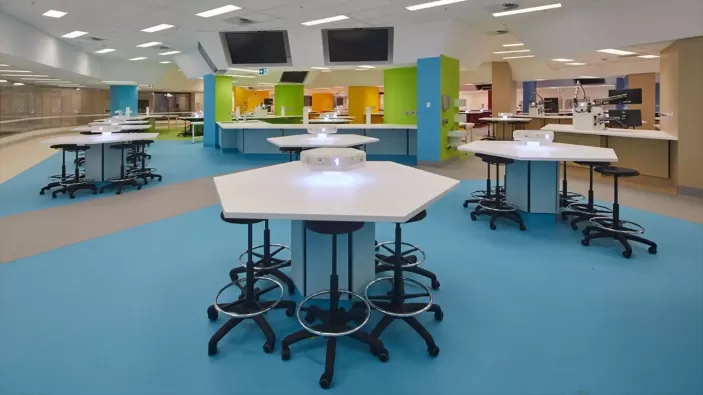


Designing PC2/BSL2 laboratories presents unique accessibility challenges. From containment requirements and specialist equipment to safety procedures and laboratory workflows, creating environments that are accessible to wheelchair users requires careful planning. With the right risk assessment and design approach, organisations can create inclusive laboratory spaces without compromising biosafety standards.
Improving access for disabled scientists remains a priority for many research organisations and pharmaceutical companies, yet the challenge often lies in translating that ambition into practical design solutions. Certain PC2/BSL2 laboratories, particularly those involved in animal, plant and invertebrate containment, can present operational and biosafety considerations that complicate accessibility modifications. However, with early stakeholder engagement, robust risk assessment and thoughtful design, accessible laboratory environments are both achievable and compliant.
The first step is for key stakeholders and members of the biosafety committee to understand the rationale behind making the laboratory wheelchair accessible.
Recognising this rationale will enable the organisation and its design team to comprehend the goals and specific user needs that this project aims to fulfill. The group will then understand who the modifications need to suit and serve, whether for guests, industry collaborators and visitors, researchers and/or laboratory operators who conduct their work there.
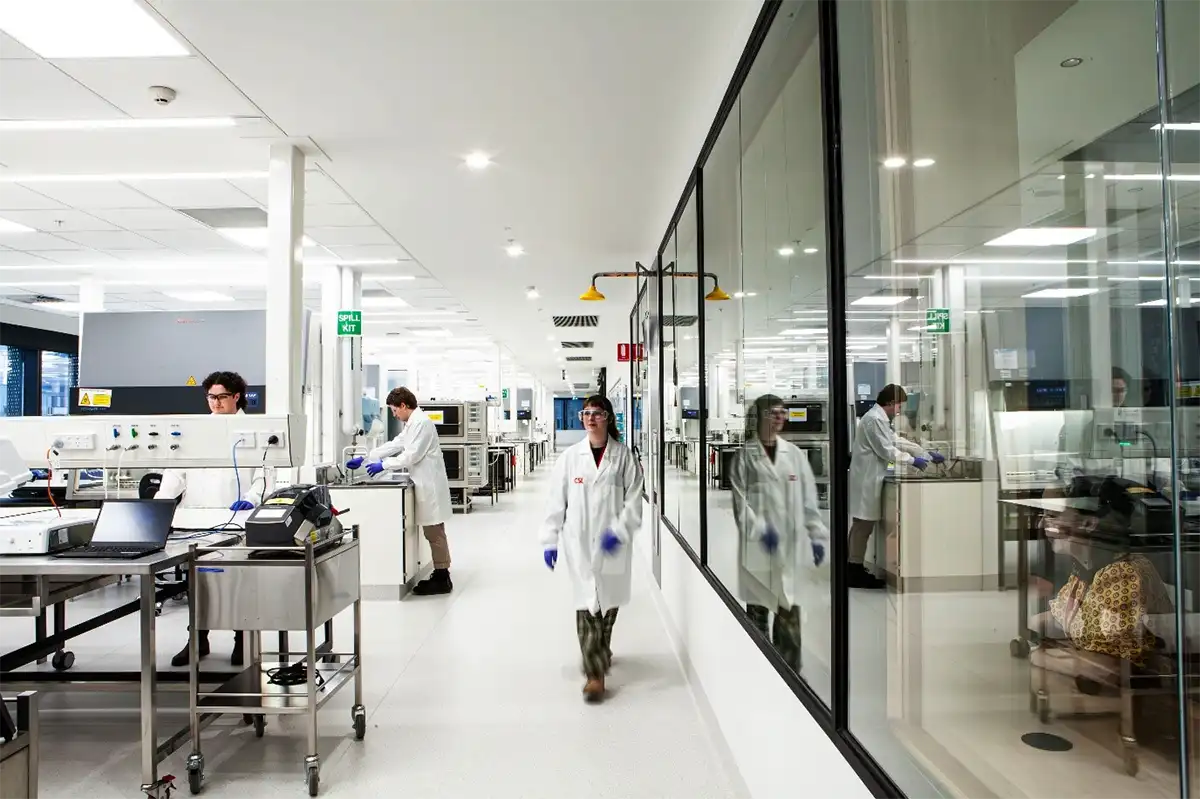
Once rationale has been recognised, a risk assessment workshop must be conducted. It is essential that the workshop's participant roster includes, at a minimum, a member from the institutional biosafety committee, the laboratory's facility and operations manager, an architect and a DDA consultant .
Here are four elements your workshop must cover to mitigate risk:
In instances where the infrastructure cannot cater to an individual's needs, it is imperative that written procedures are developed and adhered to, ensuring that safety and compliance are maintained. These procedures should provide clear instructions and protocols to compensate for any design limitations, thereby upholding the laboratory's safety standards.
When moving to the design and engineering phase, the expertise of the team is crucial. Here are three key considerations for your team:
Wood, serving as the architect and engineering designer for the UTS Hive Superlab, prioritised wheelchair accessibility during the design phase.
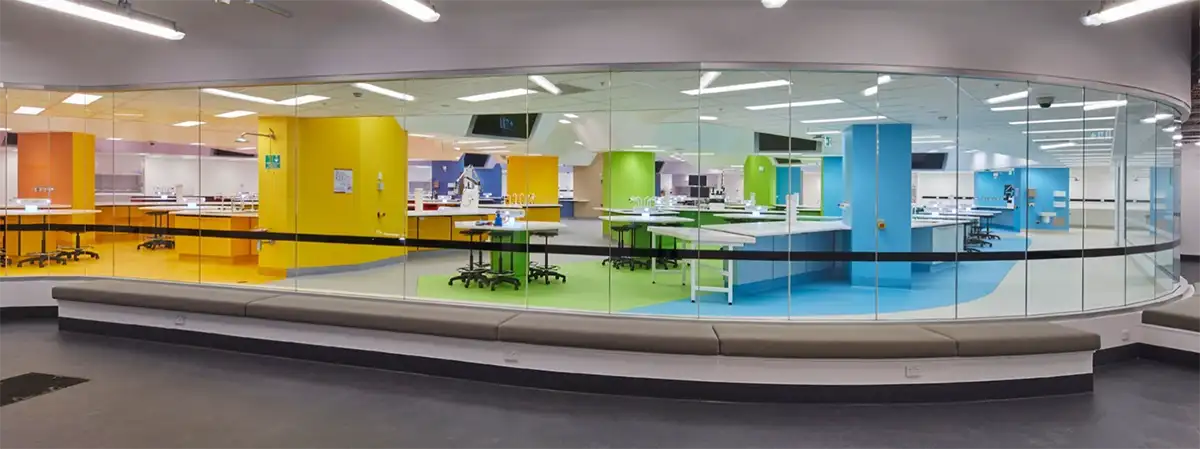
Tasked with creating a laboratory that was both visually striking and unprecedented in its design as a PC2/BSL2 facility, UTS also required wheelchair accessibility.
While not all intended infrastructure was in place from the outset, Wood provided UTS with strategic recommendations to modify the facility for full wheelchair accessibility and operations as needed, along with guidance on operational procedures.
Leveraging our extensive expertise in laboratory design, Wood crafted a laboratory that is not only accessible for personnel in wheelchairs, but is a uniquely aesthetically designed lab that incorporates cutting-edge features compliant for a PC2/BSL2 environment.
At Wood, our commitment to pioneering advanced life sciences facilities has spanned more than fifty years and we remain dedicated to innovating designs that accommodate all individuals. Accessible laboratory design should be considered from the earliest stages of planning rather than as a later modification. Through early stakeholder engagement, robust risk assessment and thoughtful design, organisations can create PC2/BSL2 facilities that support both biosafety requirements and broader workforce participation.
At Wood, we help our clients accelerate the design, construction and qualification of their most complex facilities.
Yes. While accessibility modifications must be considered alongside biosafety and operational requirements, many PC2/BSL2 laboratories can be designed or adapted to support wheelchair users through appropriate planning, risk assessment and design.
Common challenges include laboratory layouts, specialist equipment, containment requirements, emergency response measures and access to safety facilities such as eyewash stations and safety showers.
Accessibility should be considered as early as possible during project planning. Early engagement with users, biosafety stakeholders and design teams can help identify requirements before detailed design begins.
Key stakeholders may include laboratory users, facility managers, members of the institutional biosafety committee, architects, accessibility consultants and laboratory operations teams.
Not necessarily. With appropriate risk assessment and design controls, accessibility improvements can be implemented while maintaining compliance with relevant biosafety requirements.